Green Attics for Dummies
Table of ContentsNot known Details About Green Attics Our Green Attics StatementsSome Of Green AtticsThe Facts About Green Attics UncoveredA Biased View of Green AtticsExcitement About Green AtticsOur Green Attics Diaries
Around the smokeshaft. Structure codes call for that air areas in between smokeshafts and flooring or ceiling assemblies whereby they pass be sealed with a non-combustible fire stop (see Figure 5-3 and Number 5-4). Along the edge of shared walls. There is commonly a space between the event wall surface (such as the common wall between systems in duplexes, triplexes and row homes) and the side of the attic flooring.
A hefty polyethylene sheet which is caulked with acoustical sealer and stapled to the ceiling encases the electrical box. An electric cord leads away from the electrical box and down via an opening right into an indoor wall surface. Holes around electrical cords are full of caulking or foam sealer, and caulking seals spaces along the top of the indoor wall surfaces.
After air sealing, attic room ventilation is your 2nd line of defence against the water vapour that might have found its method into the attic. It makes certain a colder, well-vented attic room room less susceptible to the formation of ice dams at the eaves.
Little Known Facts About Green Attics.
You may need to situate roofing system or soffit vents from outside if they are not plainly noticeable from inside the attic. Residences with peaked roofs and obtainable attics are the simplest to vent by utilizing the proportion of 1 to 300. This proportion describes unhampered air vent location to the shielded ceiling location.
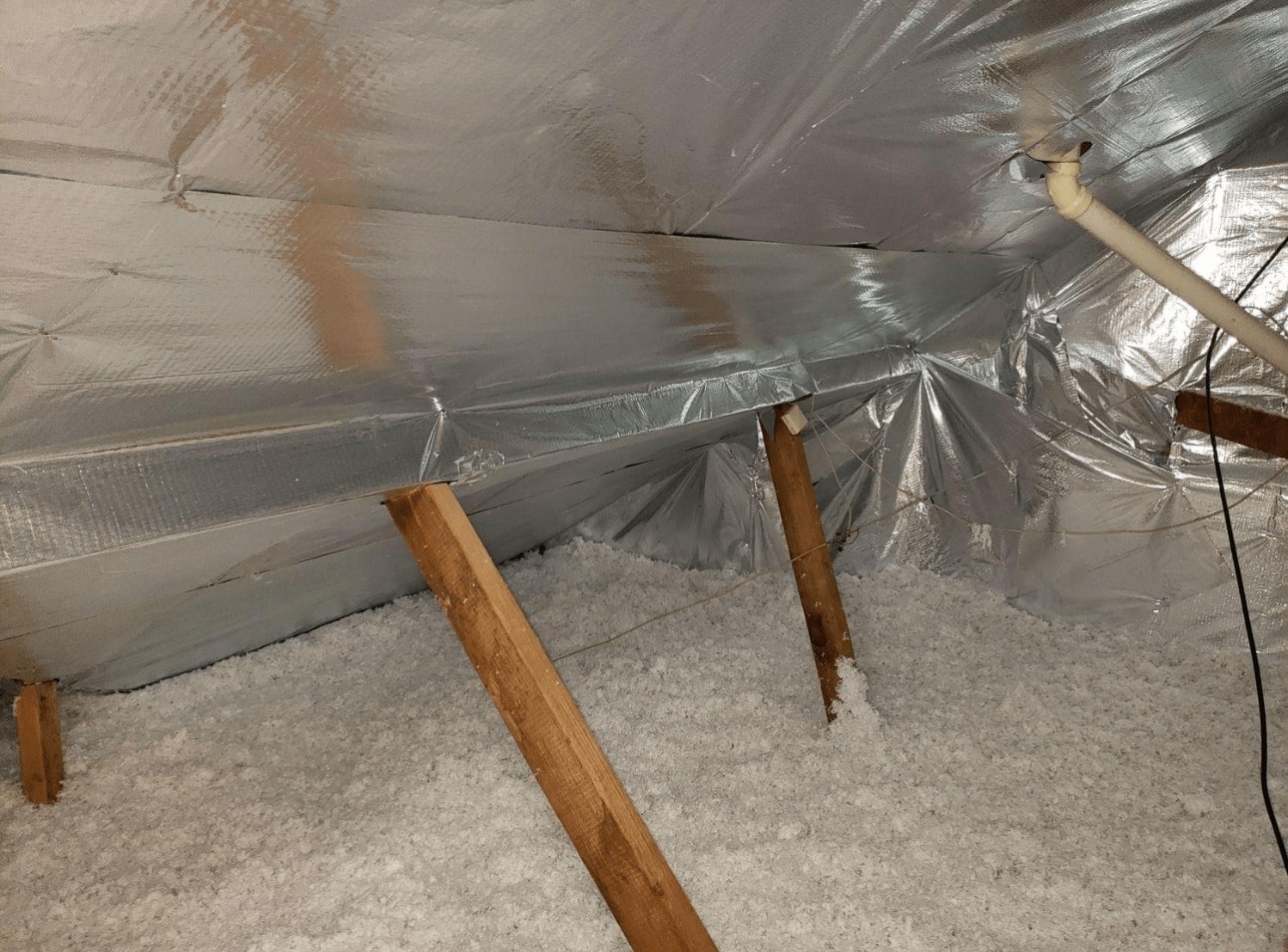
The location of vents is as crucial as their number and kind. Commonly, a combination of types and places will certainly work best. The following Parts information the most effective approach depending upon your attic room type. After you have examined the attic room and lugged out any kind of remedial work, emphasis first on air and dampness control.
Getting My Green Attics To Work
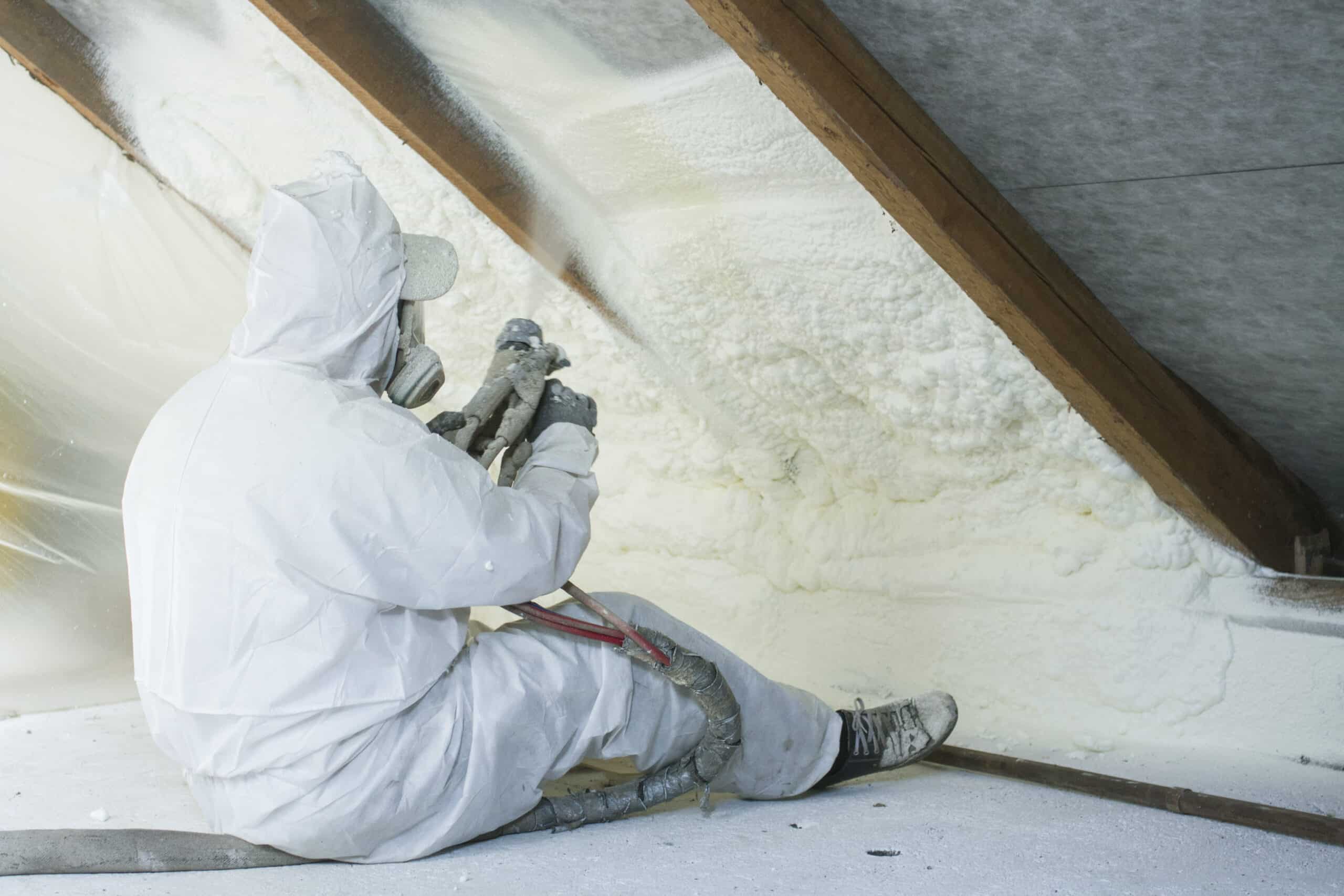
On the other hand, spray foam supplies air securing and an initial layer of high quality insulation that can be topped approximately the wanted RSI (R) level. If the attic retrofit is being finished in combination with indoor improvements, the most convenient technique is to install a new, solitary air and vapour obstacle on the bottom of the ceiling joists.
Spray foam or inflexible board insulation can assist bridge the space in this location. Cut stiff board to fit in between the ceiling joists and to extend from the outside wall leading plate toward the attic room.
Eliminate existing insulation from the location you are working with and establish it to one side. Cut foam boards to fit comfortably in between the trusses. Caulk all edges, voids and joints, see Figures 5-10 and 5-13. Blockages, such as electric wires, will certainly require cuts in the obstacle; seal these thoroughly company website to make the obstacle continual.
Spray foam contractors can set up closed-cell foam between the joists to air seal and add insulation at the same time to the ceiling. All existing insulation and dirt must be eliminated first to permit for a good bond.
Not known Details About Green Attics
(https://medium.com/@nealromo01/about)
This removes roof covering venting and produces what is called a warm roofing system, where the attic room space becomes part of the conditioned (heated and cooled) home area. This procedure might appropriate for some attic rooms, yet do not proceed without authorization from your building examiner, and after that just make use of a licensed spray foam service provider who is familiar with the process.
If there are obstructions above the joists, such as with a truss roofing system, it might be easiest to place batt insulation into the joist spaces and afterwards use loose-fill insulation to develop a total covering of insulation over the joists and around all blockages. Loose-fill insulation is additionally excellent by itself, specifically in uneven or obstructed spaces.

A Biased View of Green Attics
Use frustrates between each rafter area to avoid it from being blocked (see Number 5-11). Insulate above and listed below cross bracing, splitting or cutting the batt to fit the cross bracing as shown in Figure 5-12. Reduced one batt right into a series of wedges and after that fit a wedge under each brace.
The first layer of batts need to be thick sufficient to completely fill to the top of the joist space. The second layer can then run perpendicular across the joists to block any kind of warmth flow with and around the joists (see Figure 5-13). Attic insulation. Ensure that there are no voids in between both layers of insulation
Begin at one end of the attic room and spread out the covering. Figure 5-11 Baffles can be utilized to maintain airflow via the soffit vents Text variation Cutaway of baffles between attic roof covering joists with arrows showing air motion taking a trip from the exterior, through an air vent in the ceiling overhang, and over the baffles.
The Buzz on Green Attics
Figure 5-13 The top layer of insulation runs vertical to the bottom layer Text version Image of layers of batts of insulation in between and over attic joists. Batts on top of joists are perpendicular to batts in between joists. A polyethylene sheet is laid under both layers of insulation and attached to the top of attic joists by caulking and staples.
If the loose fill is much deeper than the joists, build insulation framework (a baby crib) around the attic hatch to make sure that it can be filled up to the edge (see Number 4-7). The bags of insulation material will note the number of square metres (or square feet) each bag must cover to supply the called for RSI worth.
Indicators on Green Attics You Should Know
If you are having a professional do the job, compute the RSI value that you want and check the bags of insulation to be used. They need to show the location that one bag will cover at the selected shielding worth. You and the specialist ought to after that concur on the complete variety of bags to be utilized, the expected insulating worth and the minimum settled depth of insulation throughout the attic room, based upon a certain density.